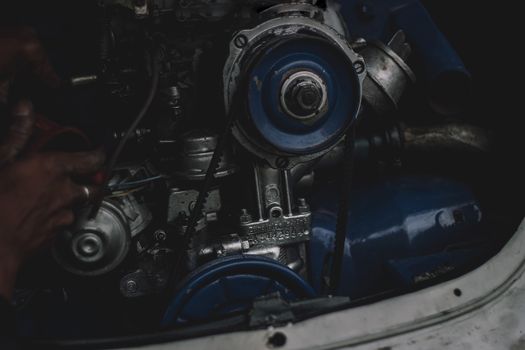
An o-ring is one of those parts most people only notice when it fails. On a boat, that failure can mean anything from an annoying drip to a more serious leak in a fuel, cooling, or water system. Because boats expose seals to constant vibration, sunlight, moisture, and temperature shifts, a perished seal can show up sooner than many owners expect.
Why Marine Conditions Are So Hard On Seals
Boat environments are tough on rubber components. Sunlight and ozone can trigger cracking, while salt, heat, and repeated flexing can make the material lose elasticity over time. If an o-ring is compressed for long periods, it can develop compression set, meaning it no longer returns to its original form and cannot seal properly.
There is also the issue of chemical compatibility. Different fluids affect elastomers in different ways, and the wrong material may swell, shrink, or harden when exposed to fuel, oil, or cleaning products. That is why a seal that looks fine at a glance can still be on its way out.
Common Warning Signs To Watch For
A failing o-ring often gives subtle signs before it causes a major problem. You might notice a faint leak around a housing, a drop in system pressure, or a component that no longer seals tightly after reassembly. On boats, this can show up as water appearing in the wrong place, oily residue near a fitting, or fuel odour around a service point.
Physical damage is another clue. Cracks around the surface, a flattened profile, or a seal that feels stiff rather than supple are all signs that the material has started to perish. If a seal has been pinched during fitting or contaminated with dirt, failure can happen much faster.
What A Failed O-Ring Means On A Boat
Once an o-ring stops doing its job, fluid can escape or enter places it should not. That may lead to leaks around drain plugs, inspection covers, engine components, or other sealed fittings. In practical terms, it can mean corrosion, contamination, loss of pressure, and in some cases water inside the vessel where it can cause much bigger issues later.
The risk is not just inconvenience. A failed seal can also hide a more serious fault if the leak is small and intermittent. That is why regular checks are important, especially before longer trips or after the boat has been laid up for a while.
How To Extend Seal Life
Routine care makes a big difference. Clean the sealing groove and mating surfaces, inspect the seal before refitting, and use the correct lubricant in moderation. Too much grease can trap debris, while too little lubrication can increase friction and wear during installation.
It also helps to replace an o-ring if there is any sign of cracking, flattening, or loss of flexibility. Leaving a tired seal in place may save a few minutes now, but it often leads to a leak that takes longer to diagnose later. For marine systems, prevention is usually the most watertight approach.
The Smart Way To Replace One
When fitting a new o-ring, make sure the size is correct and the material suits the application. A seal that is too loose, too tight, or made from the wrong compound will not last as long as it should. That is especially true on boats, where a reliable seal has to cope with movement and changing conditions.
Handled properly, a replacement seal can restore confidence in the system and reduce the chance of repeat failures. For boat owners and marine engineers alike, that makes the humble o-ring one of the most important parts worth getting right.
Featured image credit: by Nestergrapher Nedie for Pexels