Why Vintage Boats Deserve to Be Saved
There is something about a well-built wooden boat or a classic fibreglass hull from the 1960s that a modern production vessel simply cannot replicate. The lines, the craftsmanship, the way they sit in the water — these are objects that were built with genuine care, often by hand, at a time when weight was saved by skill rather than by material substitution. Once they are gone, they are gone. Restoration is how we keep them.
It is also, in many cases, the more sensible choice economically. A quality vintage boat, properly restored, holds its value in a way that a mid-range modern vessel does not. And it gives you something worth owning: a boat with a story, a provenance, and a presence on the water that turns heads for the right reasons.
Hull Assessment: Getting Beneath the Surface
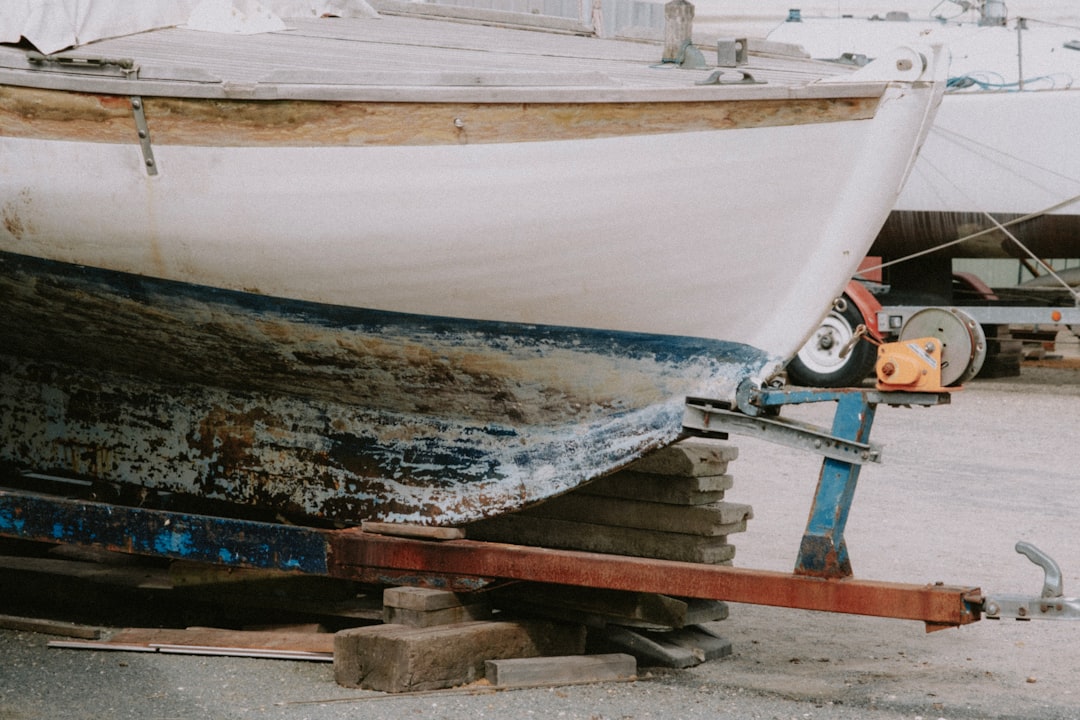
The starting point for any boat restoration is a thorough inspection of the hull. In a wooden vessel, this means probing for soft spots, checking frames and planking for rot, assessing the integrity of the keel fastenings, and looking carefully at any previous repairs — because the quality of historical repair work varies enormously, and a poorly executed patch can compromise far more than the section it was meant to fix.
Fibreglass boats present their own challenges. Osmotic blistering, delamination, and impact damage all need to be identified and understood before any remedial work begins. Gel coat issues are usually cosmetic; structural problems are not. Knowing the difference — and communicating it clearly — is the foundation of an honest restoration estimate.
Structural Repair and Material Choices
Restoring a wooden boat demands a working knowledge of traditional boatbuilding materials and techniques. The choice of timber for repair work matters: using the wrong species in the wrong location can cause accelerated deterioration and compatibility problems further down the line. Fastenings, caulking, and the type of finish applied all feed into how the boat will perform and how long the restoration will last.
Where modern materials offer a genuine advantage — epoxy consolidants for borderline timber, high-build primers for fibreglass — they can be used sympathetically. Where they would compromise the character or the structural logic of the original build, traditional methods are the right call. This judgement is what separates a restoration from a rebuild, and it is something that only experience teaches.
Mechanical and Electrical Systems: The Invisible Work
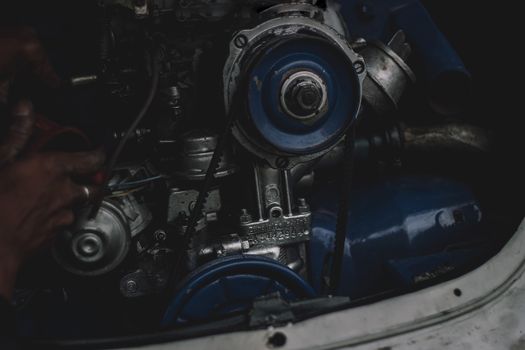
A boat’s engine, fuel system, bilge pumps, and electrical installation are unglamorous but critical. Vintage marine engines are often surprisingly robust — many were built to commercial standards that modern leisure engines do not approach — but they need to be assessed honestly. A well-rebuilt original engine is preferable to a modern replacement unit in most cases, both for authenticity and because it is usually what the hull was designed to accommodate.
Marine electrical systems in older vessels can be chaotic: wiring added over decades, original looms spliced and extended, unfused circuits that would not pass a modern safety inspection. Bringing this up to standard while maintaining a sympathetic interior is painstaking work, but it is the kind of work that gives you confidence on the water — which is the only place that matters.
From Dry Dock to Open Water
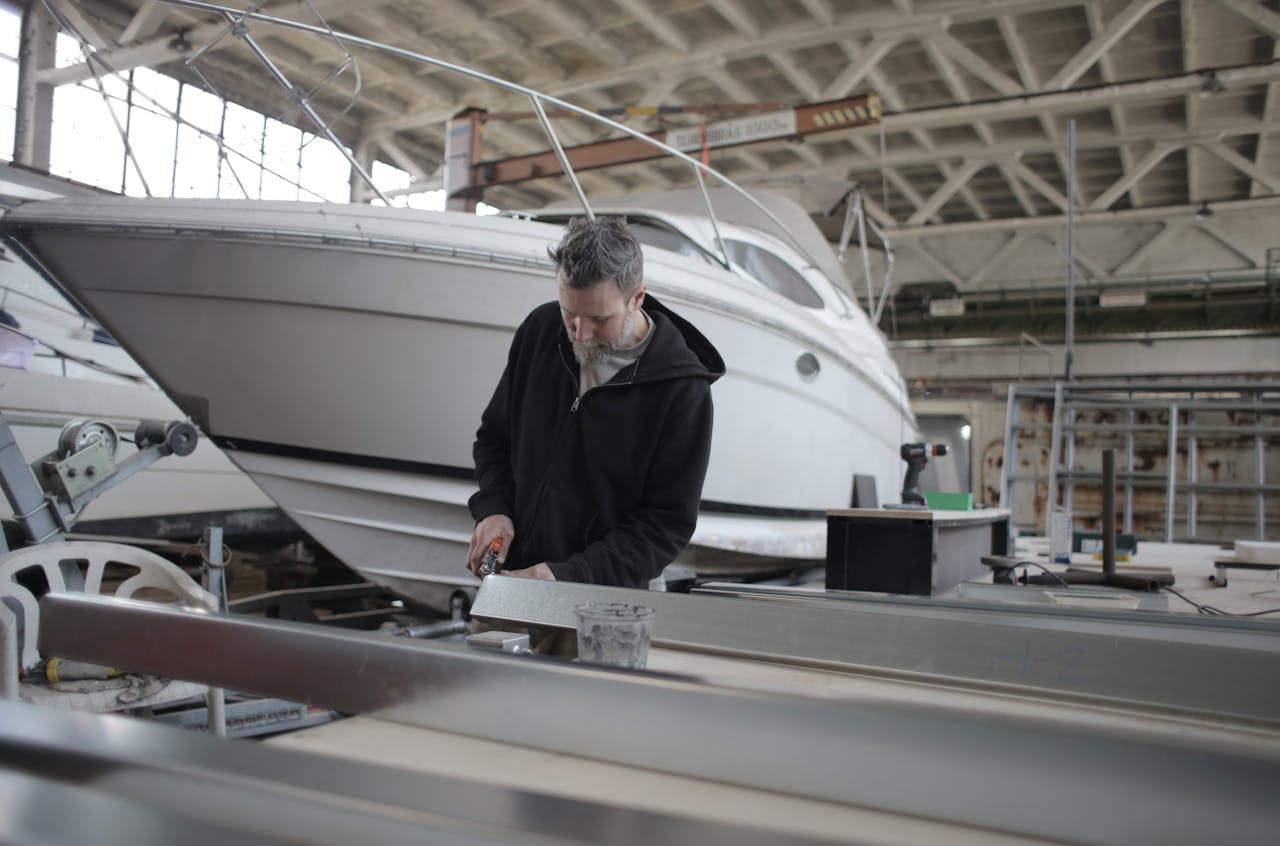
The moment a restored boat goes back into the water is one of the most satisfying in this industry. But it is not the end of the process. A proper launch involves monitoring for leaks, testing all systems under realistic conditions, and making the small adjustments that every restoration requires once it meets the real world again.
At The B&W Railway Yard, we have the same obsessive attention to detail with boats as we bring to the cars and locomotives in our care. We are restorers first — the medium changes, but the standard does not. If you have a classic boat that deserves better than it is getting, we would like to hear about it.