There is something special about a classic car. It might be the distinctive shape of the bodywork, the sound of an engine that predates modern electronics or simply the memories associated with a particular model. Whatever the attraction, older vehicles have a character that is difficult to replicate, which is why restoration continues to appeal to enthusiasts and collectors alike.
However, bringing an ageing vehicle back to its former condition involves considerably more than a fresh coat of paint and a polished exterior. A successful restoration requires mechanical knowledge, patience, specialist skills and a clear understanding of what makes the individual vehicle worth preserving.
Starting With a Thorough Assessment
Before any restoration work begins, the vehicle needs to be examined carefully. A car that looks reasonably presentable from the outside may have significant problems hidden beneath the surface.
Rust is one of the biggest challenges, particularly around floor pans, wheel arches, sills and structural components. Previous repairs may also need investigating to establish whether they were carried out correctly.
A comprehensive assessment should consider:
- The condition of the chassis and bodywork.
- Engine performance and mechanical wear.
- Gearbox, clutch and transmission components.
- Brakes, steering and suspension.
- Electrical systems and original wiring.
- Interior trim, upholstery and dashboard components.
- Availability of original or compatible replacement parts.
This initial investigation helps establish the scope of the project and provides a realistic starting point for budgeting and planning.
Mechanical Restoration Comes First
An attractive exterior means little if the vehicle cannot be driven safely and reliably. Engine and mechanical restoration are therefore central to many projects.
Depending on the condition of the car, work might involve rebuilding the engine, replacing worn bearings, overhauling the gearbox or renewing the braking system. Fuel delivery, cooling and electrical systems may also need attention.
The challenge is to achieve the right balance between restoring functionality and retaining the vehicle’s original character. Some owners want a sympathetic restoration that keeps as many original components as possible, while others prefer carefully selected modern upgrades that improve reliability and usability.
Neither approach is necessarily better. It depends on the vehicle, its intended use and the owner’s priorities.
The Importance of Bodywork and Finishing
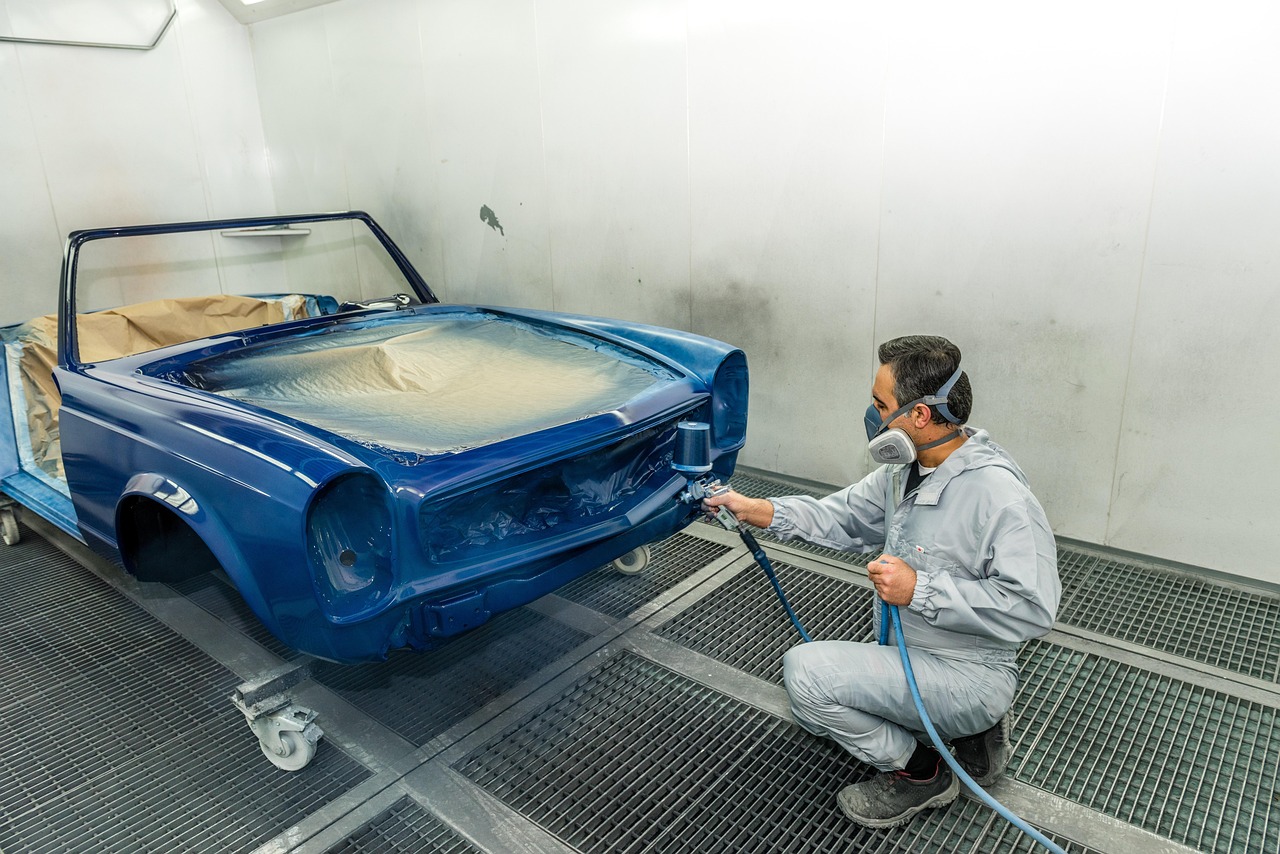
Bodywork is often one of the most time-consuming aspects of a restoration. Years of exposure to moisture, road salt and changing temperatures can take their toll, while previous accident damage or poorly executed repairs may create additional complications.
Removing corrosion, repairing damaged panels and achieving accurate body alignment all require considerable skill. Preparation is particularly important before paintwork begins, as even small imperfections can become more noticeable once a new finish is applied.
The interior deserves equal consideration. Original seats, door cards, carpets and trim can be difficult to source, especially for less common models. Where replacement parts are unavailable, specialist refurbishment may offer a way to retain the original appearance.
Making the Right Choices for the Finished Car
Not every restoration needs to produce a showroom-perfect vehicle. Some owners want a concours-standard finish, while others prefer a car that looks authentic, retains a little of its history and can be enjoyed regularly.
These decisions influence everything from the choice of paint and replacement components to the extent of mechanical upgrades.
It is also worth considering how the vehicle will be used once the work is complete. A weekend classic may have different requirements from a car intended for longer journeys or regular use.
Preserving More Than a Vehicle
A carefully restored classic car represents a considerable investment of time, expertise and attention to detail. It also preserves an important piece of motoring history, keeping distinctive designs and engineering features on the road for another generation to appreciate.
Whether the aim is to return a family heirloom to its former glory, rescue a neglected project car or prepare a desirable classic for future enjoyment, professional restoration can make an enormous difference.
With the right planning and skilled workmanship, a vehicle that has spent years deteriorating in a garage or driveway can become something worth taking pride in all over again.
Photo by MertSabanci via pixabay.

