Most drivers know the obvious warning signs: a flat battery on a frosty morning, a brake pedal that feels wrong, a dashboard light that suddenly refuses to go away. But some of the most useful parts of car maintenance are less dramatic. They start with a faint hum, a slight vibration through the steering wheel, or that nagging sense that the car no longer feels quite as settled on the road as it did a few months ago.
There is a certain satisfaction in spotting these changes before they turn expensive. Modern cars are very good at masking wear, which helps until it doesn’t. By the time a problem becomes loud or obvious, you may already be facing more time off the road, more labour and a bigger bill than you hoped for.
That is why it helps to understand the parts most likely to wear quietly in the background. Components around the wheel assembly, for instance, do a lot of work every time you drive over potholes, speed bumps and rough surfaces. If you want a clearer sense of what is involved, guides on wheel bearing hubs can be useful, not as shopping prompts, but as a way to recognise the symptoms before they turn into a proper mechanical headache.
Small clues worth paying attention to
- A droning noise that rises with speed
- Uneven tyre wear that appears sooner than expected
- Vibration through the cabin or steering
- A vague feeling when cornering or changing lanes
None of this means every odd noise is cause for panic. Cars make all sorts of harmless sounds, especially as they age. But paying attention is not the same as being alarmist. It simply means treating your car less like an appliance and more like a machine that communicates in subtle ways.
For many motorists, better maintenance starts there. Not with technical expertise, but with noticing. Catch a problem early, ask sensible questions, and you stand a much better chance of keeping your car reliable without turning every garage visit into an unpleasant surprise.
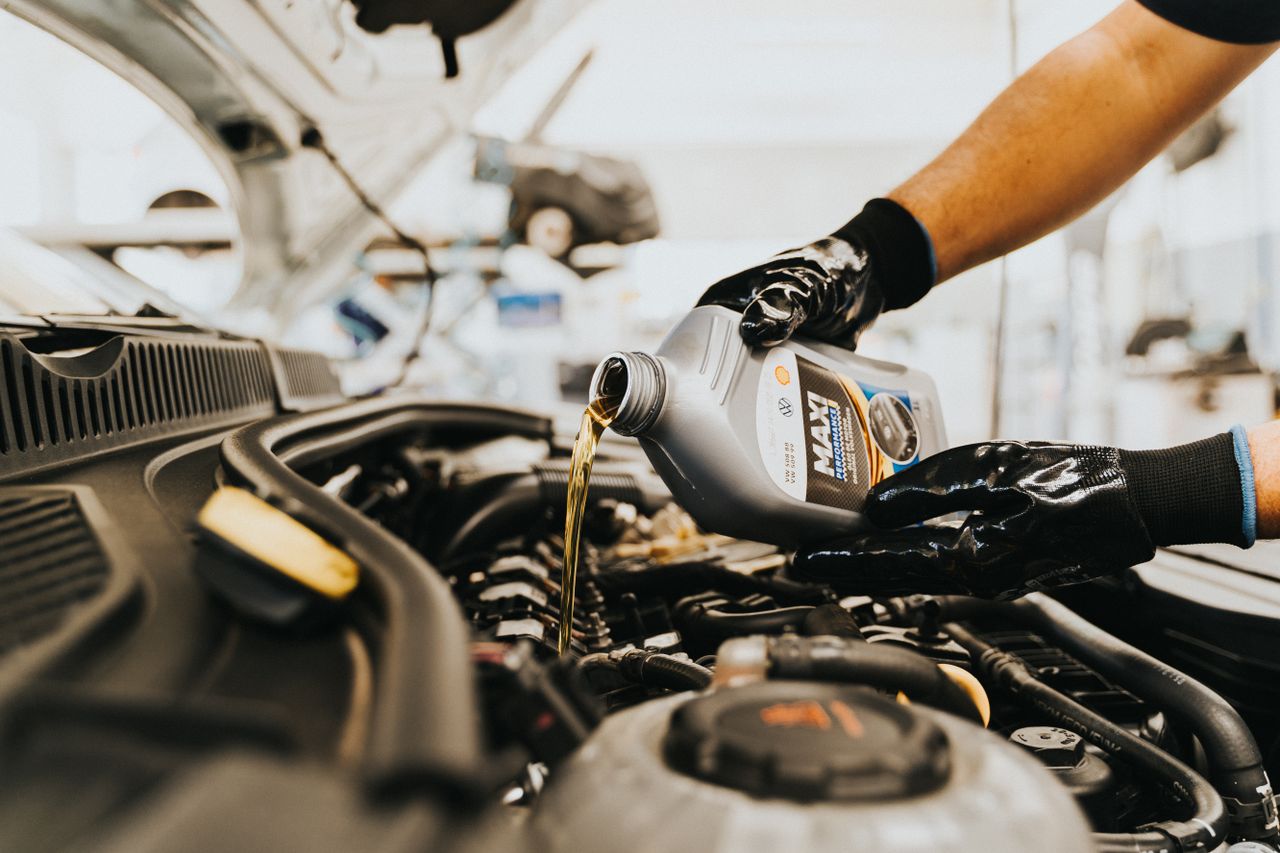
Photo by MART PRODUCTION via pexels.