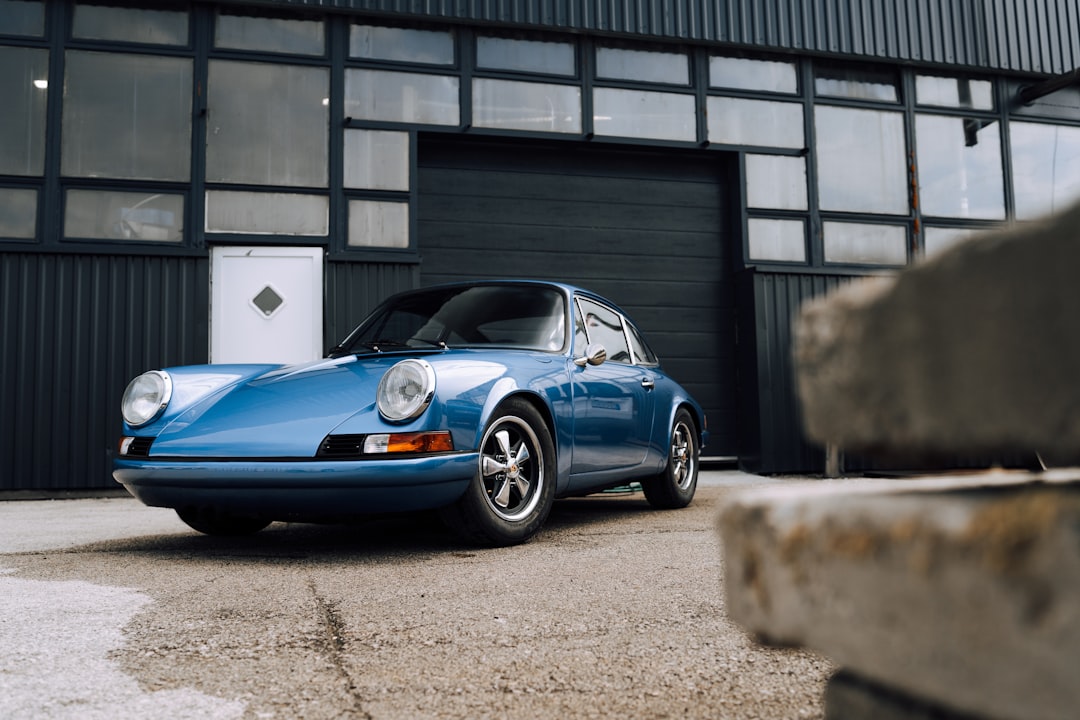
What “Full Restoration” Actually Means
The term restoration gets used loosely. A fresh set of tyres and a machine polish is not a restoration. Neither is respraying a car that still has rotten sills and a gearbox that jumps out of third. A genuine full restoration means returning a vehicle as close as possible to its original condition — mechanically, structurally, and cosmetically — using period-correct methods and materials wherever they exist.
It is a labour-intensive process that takes time, skill, and a genuine understanding of the vehicle in question. No two restorations are the same, because no two classic cars arrive in the same condition. What looks like a solid shell from the outside can hide decades of bodged repairs, hidden rust, and electrical wiring that has been spliced and re-spliced until nobody quite knows what goes where.
The Assessment: Where Every Project Begins
Before any work begins, a thorough inspection tells you what you are actually dealing with. At The B&W Railway Yard, every car that comes through the doors gets a full assessment — underneath on the ramp, inside the engine bay, in the footwells, behind the trim panels. Rust hides in predictable places, but it also hides in places you would never think to look until you have stripped a few hundred cars.
The assessment shapes everything that follows: the scope of the work, the timeline, and the budget. Being honest at this stage — even when the findings are unwelcome — is what separates a proper restoration workshop from one that tells you what you want to hear and hands you a bill full of surprises six months later.
Bodywork, Paint, and the Battle Against Rust
Rust is the enemy, and it does not give up easily. Addressing it properly means cutting out affected metal and welding in new sections — not filling over it and hoping for the best. Panel fabrication is a skilled trade, and getting it right is the difference between a car that looks correct and one that catches the light in all the wrong ways.
Paint preparation is where most of the time goes. Blocking, priming, flatting, and priming again — the finish you see at the end is only as good as the invisible layers beneath it. Period-correct colour matching, two-pack finishes, and the kind of cut and polish that makes a panel look like liquid: this is where craftsmanship shows, and where shortcuts show too.
Mechanical Rebuild: Getting It Right Where It Counts
A car that looks stunning and drives poorly is a disappointment. The mechanical side of a restoration — engine rebuild, gearbox overhaul, brake and suspension refresh, fuel system work — is where a vehicle earns its road presence. Original components are rebuilt wherever possible, because a matching-numbers car with its original engine is worth substantially more than one fitted with a replacement unit, regardless of how well that replacement runs.
Sourcing original parts for classic vehicles is an art in itself. It requires patience, a good network, and the knowledge to assess whether a used component is genuinely serviceable or just going to create problems further down the road. At The B&W Railway Yard, we have spent years building the contacts and the stockpile that make this part of the job possible.
Why the Workshop Behind the Work Matters
Classic car restoration attracts genuine craftspeople and it also attracts people who are very good at appearing to be craftspeople. The difference becomes obvious quickly when you ask the right questions — about their process, their previous work, how they handle unexpected findings mid-project, and what their finished cars actually look and drive like.
We are based in a former railway yard, surrounded by decades of mechanical history, and we bring that same respect for engineering and heritage to every car we take on. Whether it is a concours-level rebuild or a sympathetic driver-quality restoration, the standard of work stays the same. The goal is always a car you are genuinely proud to drive — not just to look at.