Why Locomotive Restoration Is in a Class of Its Own
Restoring a car is complex. Restoring a boat is demanding. Restoring a locomotive is something else entirely. These are machines that weigh tens of tonnes, operate under enormous pressures, and were originally built and maintained by teams of skilled tradespeople working across multiple disciplines simultaneously. Bringing one back to operational condition is a multi-year undertaking that requires the same breadth of expertise — boilermakers, engineers, fabricators, electricians, painters — coordinated around a single project.
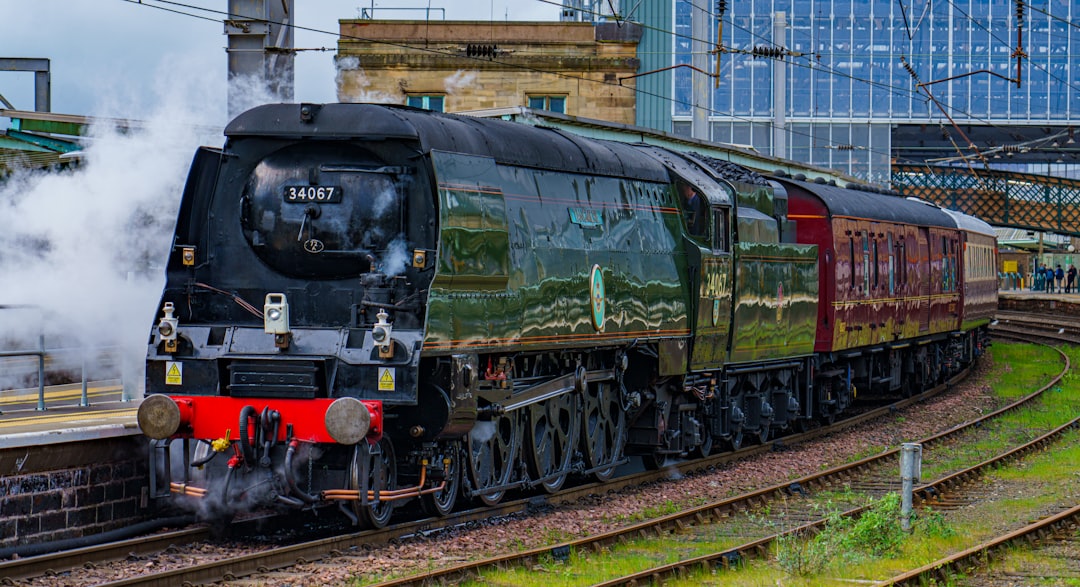
And yet the result, when a restored locomotive steams under its own power for the first time in decades, is unlike anything else in the preservation world. The sound, the smell, the sheer physical presence of a working steam engine — these are experiences that cannot be manufactured. They can only be preserved, and preservation requires people willing to do the work.
The Scale of the Challenge
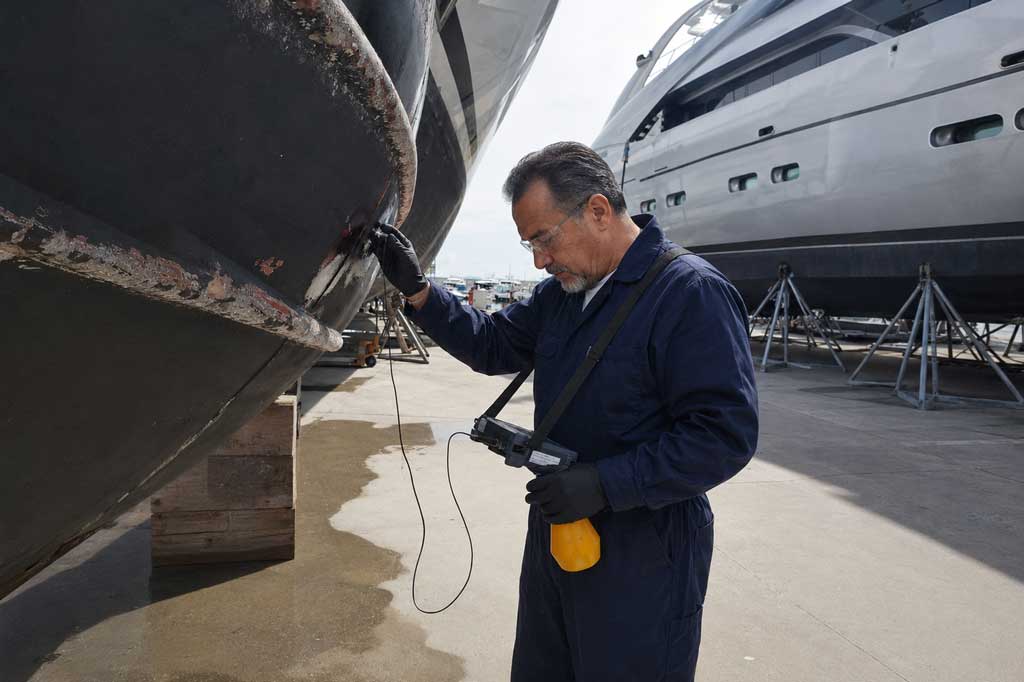
Every locomotive restoration begins with a reckoning. Years of storage, exposure to the elements, cannibalisation of parts for other projects, and the accumulated neglect that often precedes a preservation effort all take their toll. The first job is to understand exactly what you have — what is salvageable, what needs fabricating from scratch, and what the overall scope of the project actually is.
This assessment is not a quick job. Accessing all the areas that need inspection on a locomotive of any size takes time and specialist knowledge. Corrosion, cracked frames, worn motion components, and the condition of the boiler all feed into a picture that is rarely as straightforward as it first appears. At The B&W Railway Yard, this is where we start — honestly, thoroughly, and with a clear-eyed view of what the project demands.
Boiler Work: The Heart of Every Steam Locomotive
The boiler is the most critical and most regulated component in any steam locomotive restoration. Boiler work must be carried out by competent persons operating under an approved scheme of examination, and the standards applied are rightly stringent — a steam boiler at working pressure is not something that tolerates compromises.
Boiler repairs on heritage locomotives often involve the replacement of fireboxes, stays, tubes, and in some cases substantial sections of the barrel. The steel used, the welding procedures followed, and the hydraulic and steam testing regimes applied are all governed by detailed engineering standards. This is not where corners get cut, and any restoration workshop that suggests otherwise should be avoided.
Authenticity vs. Practicality: Getting the Balance Right
One of the defining questions in any locomotive restoration is how far to pursue original authenticity when practical constraints push in the opposite direction. Original patterns for motion components may no longer exist. Specific grades of steel used in Victorian construction are not commercially available. Some fittings were unique to a single manufacturer who closed a hundred years ago.
The best restorations navigate these challenges thoughtfully — sourcing original components where they exist, commissioning faithful reproductions where they do not, and making considered engineering judgements where neither is possible. The goal is a locomotive that is both safe to operate and honest in its presentation: one that respects what it was rather than pretending to be something it is not.
Why This Work Matters
We are based in a former railway yard, and that history is not lost on us. The structures around us were built to service locomotives that are now either preserved, scrapped, or somewhere in between. Working in that environment every day sharpens your sense of what is worth saving and why — not as sentiment, but as genuine engineering and cultural heritage that future generations deserve the chance to experience.
Locomotive restoration is slow, expensive, and uncompromising in what it demands. It is also — for those of us who love these machines — one of the most meaningful things we do. If you have a locomotive project in any state of progress, or a vehicle that needs assessment before a preservation effort can begin, we are ready to have that conversation.