It is easy to put off car maintenance when everything appears to be working as it should. The engine starts, the brakes respond and there are no warning lights on the dashboard, so why spend money on checks and servicing? However, many of the problems that eventually lead to expensive repairs begin as relatively minor issues that are difficult to spot without a closer inspection.
Regular maintenance is about more than keeping a car roadworthy. It helps protect its performance, reliability and long-term value, while reducing the likelihood of unexpected breakdowns.
Small Problems Can Become Expensive Repairs
Modern vehicles are complex pieces of engineering, with numerous mechanical and electronic systems working together. A small fault in one area can gradually affect other components if it is left unattended.
For example, worn brake pads can eventually damage brake discs, while an unnoticed coolant leak could lead to overheating and potentially serious engine damage. Similarly, ignoring unusual noises, changes in handling or warning lights can allow relatively straightforward repairs to develop into much bigger jobs.
Routine servicing gives a mechanic the opportunity to identify developing problems before they become more costly to resolve.
What Should Regular Maintenance Include?
Every vehicle has its own servicing requirements, so it is important to follow the manufacturer’s recommendations. However, there are several areas that deserve regular attention:
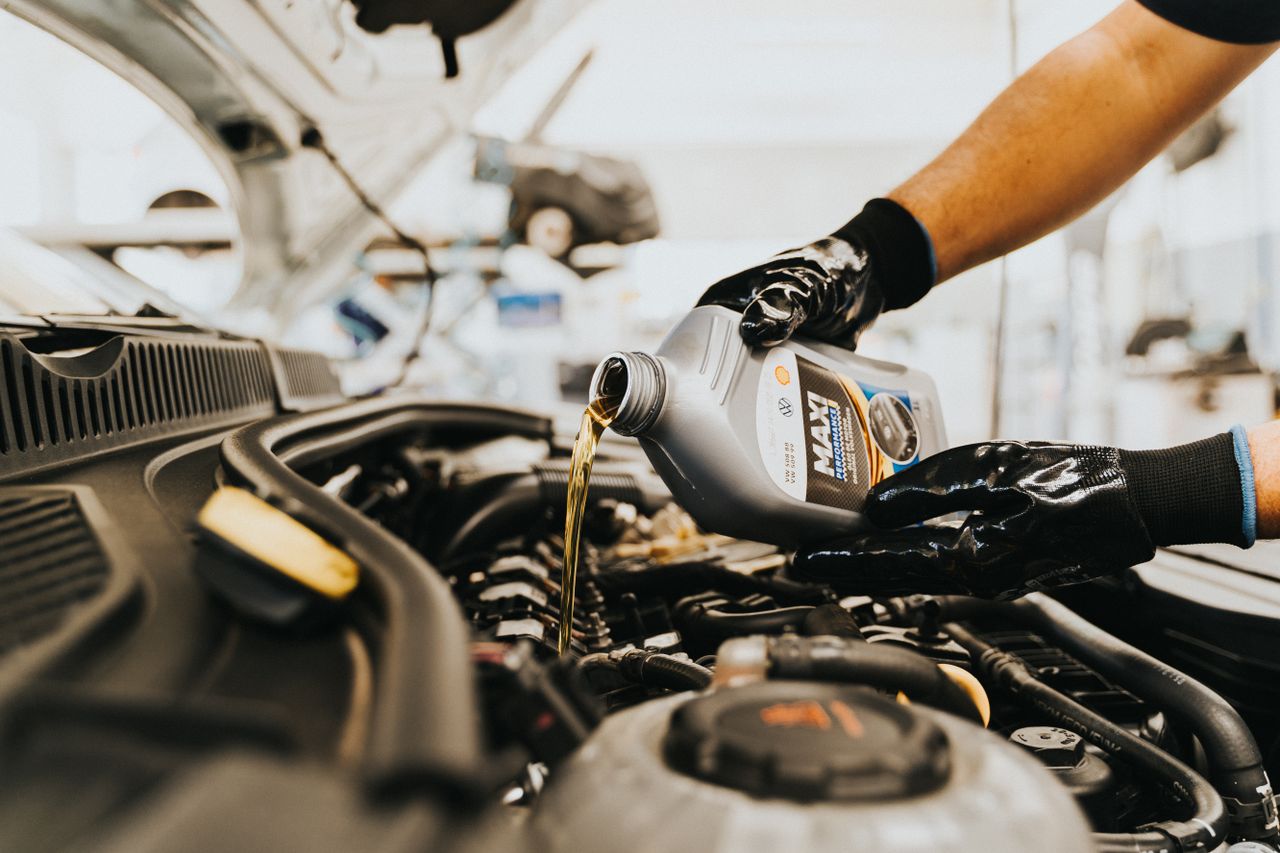
- Engine oil and filters: Clean oil helps lubricate moving parts, reduce friction and protect the engine from premature wear.
- Brakes: Pads, discs, fluid and associated components should be checked to ensure reliable stopping performance.
- Tyres: Correct pressures, sufficient tread depth and even wear all contribute to safety and handling.
- Battery: A battery that is losing capacity can cause starting difficulties, particularly during colder weather.
- Cooling system: Coolant levels, hoses and connections should be inspected to help prevent overheating.
- Suspension and steering: Worn components can affect comfort, stability and the way a vehicle responds on the road.
A professional inspection can also highlight issues that may not be obvious during everyday driving.
Looking After Older Vehicles
Age brings additional considerations, particularly for vehicles that have covered significant mileage. Rubber seals, hoses, belts and electrical connections can deteriorate over time, even when a car is not used particularly frequently.
Older vehicles may also require more attention to corrosion, suspension wear and the condition of fuel and cooling systems. Keeping up with maintenance can make a considerable difference to how reliably they perform.
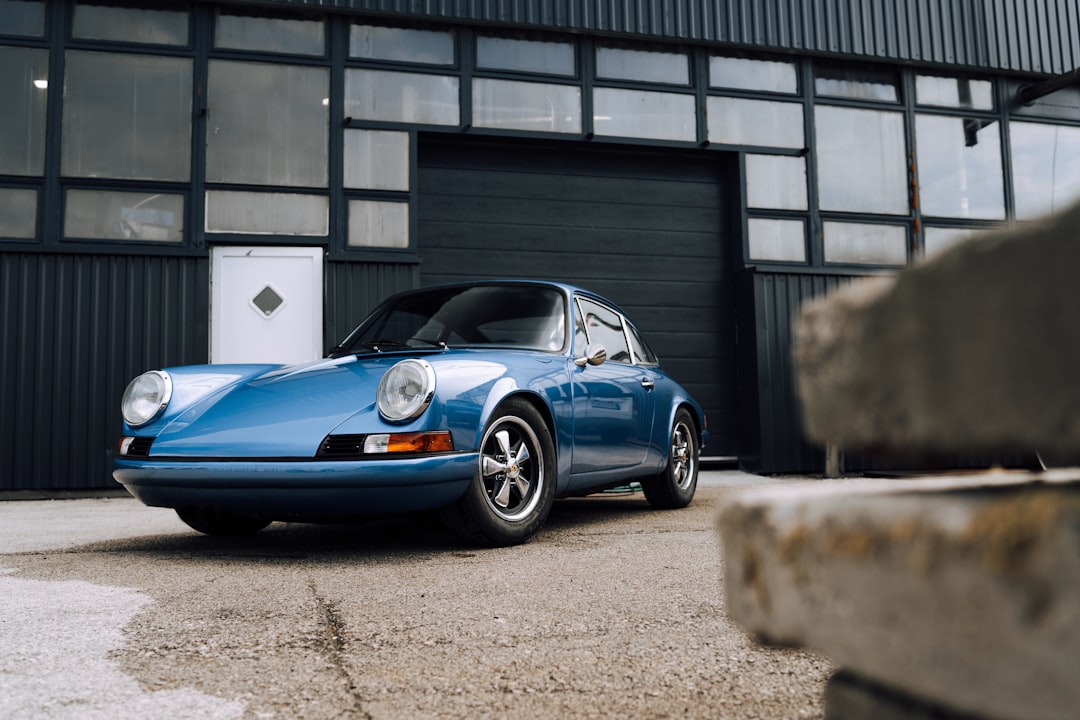
For owners of classic or cherished vehicles, finding a mechanic with experience of older models is particularly valuable. Not every repair follows the same approach as it would on a modern car, and preserving original components may be an important consideration.
A Better Experience Behind the Wheel
A well-maintained car is generally more enjoyable to drive. Responsive brakes, properly functioning suspension, a healthy engine and correctly inflated tyres all contribute to a smoother and more predictable experience.
There is also the reassurance of knowing that the vehicle has been professionally checked, rather than waiting for a problem to announce itself at an inconvenient moment.
Whether a car is used for the daily commute, family journeys or occasional weekend drives, looking after it is an investment in its future. Regular servicing and timely repairs can extend its useful life, protect its value and help keep it performing as it should.
Photo by Daniel Andraski via pexels.